Vaibhav Sooryavanshi's Code Cracked By An IPL Rookie. Will Others Follow?
Cricket is a game of surprises. One day a batter looks untouchable, the next day the same player struggles to even get off the mark. That shift is what keeps the game alive.
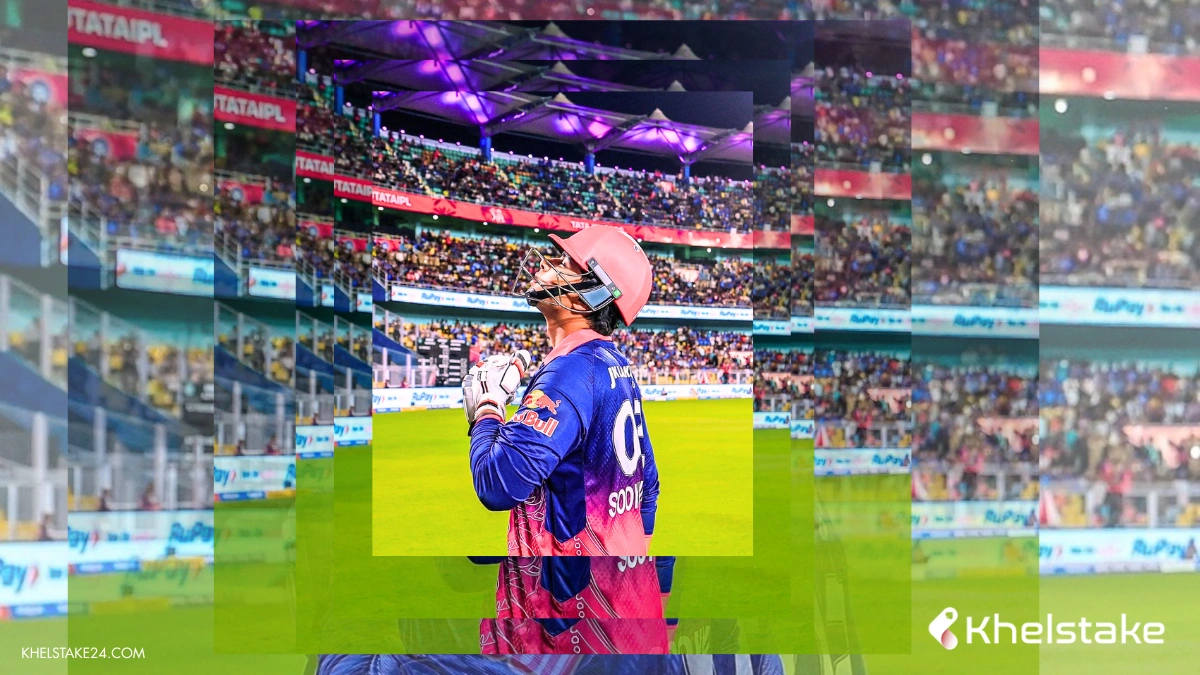
Recently, a similar kind of talk has started around Vaibhav Sooryavanshi’s code cracked moment. A young batter who had been performing strongly against top-level bowling suddenly found himself in trouble against a fresh pace option.
The surprising part is not just the wicket. It is how it happened. A relatively new bowler, Praful Hinge, managed to find a gap in his game plan. That raised a bigger question. Is there actually a pattern behind this?
In this Khelstake discussion, the focus is on what changed, how it was done, and what it means going forward.
Vaibhav Sooryavanshi's Code Cracked Moment
Vaibhav Sooryavanshi had been in good touch for a while. Facing experienced bowlers, he looked confident. Fast bowlers, short balls, and even swing deliveries did not trouble him much earlier. Here are his scores before the SRH game:
- 52 vs CSK
- 31 vs GT
- 39 vs MI
- 78 vs RCB
He has even had the orange cap till now.
But cricket is also about adaptation. Once bowlers start reading a batter, small changes begin to show results. That is exactly what happened here.
The phrase Vaibhav Sooryavanshi’s code cracked is being used because the dismissal did not look random. There was a clear plan behind it.
Praful Hinge, who was relatively new at this level, bowled with discipline and stuck to one idea instead of trying too many variations. That simplicity made the difference
What Did Praful Hinge Do Differently?
The biggest shift was not pace or swing. It was understanding where to bowl repeatedly. Instead of going for flashy deliveries, the focus stayed on consistency.
Key approach used:
- Bowling on an uncomfortable length for the batter
- Avoiding predictable rhythm balls
- Forcing early decisions from the batter
- Not allowing the free flow of timing
- Keeping pressure without giving scoring options
This kind of approach often works when a batter is in a strong phase because comfort gets broken slowly, not suddenly.
That is why Vaibhav Sooryavanshi’s code cracked moment looked more like planning than luck.
Struggle Zone of Batters
A batter in form usually trusts instinct. Timing becomes natural, shots come easily, and confidence stays high. But a few things can still disturb that flow:
1. Same Line Pressure
When bowlers repeat one area again and again, scoring options are reduced. Even a small mistake becomes risky.
2. Slower Adjustment Time
Not every pitch behaves the same. If timing is off even slightly, pressure builds quickly.
3. Early Wicket Impact
Getting out early creates doubt. That doubt stays longer than expected.
This is where the idea of Vaibhav Sooryavanshi’s code cracked gets attention. It is not about one ball, but about breaking the rhythm.
Can Others Follow This Approach?
Yes, but not easily. What Praful Hinge showed is not a fixed formula. It is more about discipline than skill tricks. He was also new and bowled the bouncer. Vaibhav was not expecting this.
For other bowlers, the learning is simple:
- Stick to one plan instead of over-changing
- Study better movement patterns
- Focus more on consistency than surprise balls
- Build pressure slowly, not instantly
- Trust the field setup and repeat execution
If more bowlers start applying similar ideas, then more such Vaibhav Sooryavanshi’s code cracked moments can happen in future matches.
Learning For Vaibhav
Every batter goes through this phase. One tough match does not define skill. But it does give signals. Some areas that can help recovery:
- Spending more time early in innings
- Adjusting to repeated bowling lengths
- Rotating strike instead of forcing shots
- Reading the bowler’s rhythm faster
The important thing is adaptation. Once adjustments are made, performance usually returns stronger. Even after this moment, expectations remain high. One match is not enough to change the overall picture.
As the tournament continues to unfold, teams will aim to improve their performance and gain momentum in the race for playoffs. Meanwhile, recent matches have already delivered some standout performances. For a closer look at one such dominant display, check out our detailed report on SRH’s big win, where debutants made an immediate impact and turned the game around in style.
SRH beat RR by 57 runs as debutants shine on IPL 2026 stage
My Thoughts
Vaibhav’s dismissal is now a talking point because of how it unfolded. A new bowler, a simple plan, and a strong batter losing rhythm for a brief moment. But cricket rarely stays the same for long. Adjustments come fast. Learning happens faster.
The idea of Vaibhav Sooryavanshi’s code cracked will stay in discussion, but it also sets up the next phase where both batters and bowlers evolve again. Khelstake will continue following such turning points where small moments change the direction of a match.
FAQs:
- What does “Vaibhav Sooryavanshi’s code cracked” mean?
Ans: It refers to a situation where his batting rhythm was broken by a bowler’s strategy.
- Who dismissed Vaibhav Sooryavanshi in this match?
Ans: Praful Hinge got the wicket with a disciplined bowling approach.
- What was different in Praful Hinge’s bowling?
Ans: He focused on consistent line and length instead of mixing too many variations.
- Can other bowlers use the same method?
Ans: Yes, but it needs patience, accuracy, and control more than tricks.
- Does one failure affect Vaibhav Sooryavanshi’s form?
Ans: No, one match does not define a player’s overall performance.